
Differential Pressure Gauge Manufacturer, Supplier and Exporter in Ahmedabad, India
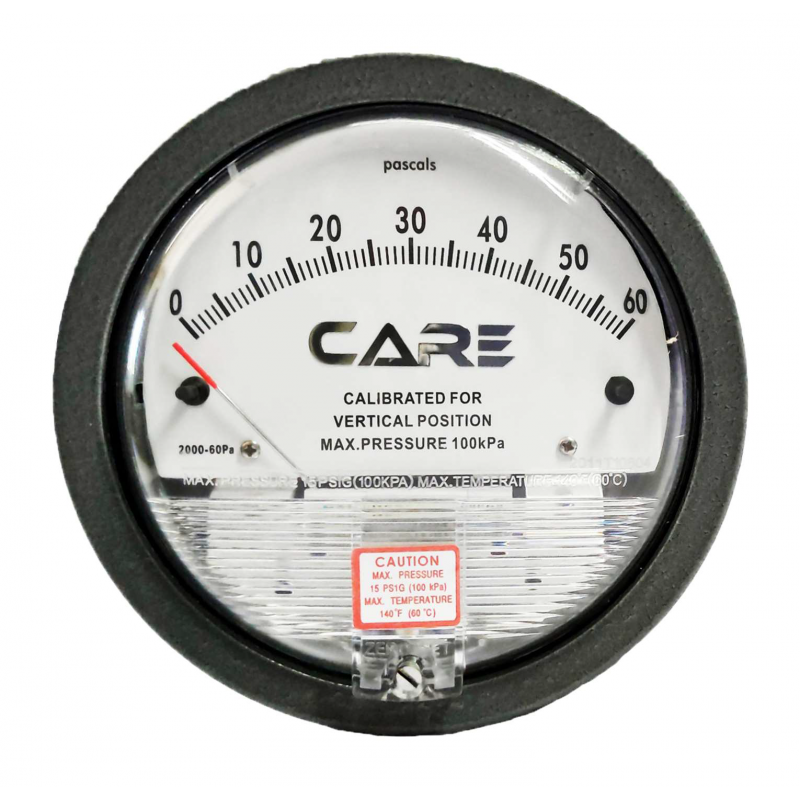
CPI Technology Private Limited offers the C2000 Series Differential Pressure Gauge for clear indication of the pressure difference between two separate pressure points. The instrument is provided with an H port for the high-pressure side and an L port for the low-pressure side. Its measuring element responds to the difference between these two pressure inputs and displays the resulting differential value on an easy-to-read analogue dial.
Designed with a 100 mm dial and a panel-mount bracket arrangement, the C2000 Series is suitable for B2B buyers, original equipment manufacturers, plant engineering teams, maintenance departments and project companies that require local differential pressure indication.
CPI Technology Private Limited serves industrial customers as a manufacturer, supplier and exporter from Ahmedabad, Gujarat, India. We support customers with product selection, technical information, commercial quotations and supply of process instrumentation for industrial applications.
What Is a Differential Pressure Gauge?
A differential pressure instrument measures the difference between two pressure points rather than measuring only one pressure point against atmospheric pressure.
In the C2000 Series, the pressure access ports are identified as:
-
H Port: High-pressure side
-
L Port: Low-pressure side
The higher pressure is connected to the H port, while the lower pressure is connected to the L port. The pointer indicates the pressure difference acting across the measuring element.
This type of measurement is useful where the pressure relationship between two locations is more important than the individual pressure at either point. It enables plant operators and maintenance personnel to observe whether a pressure drop, imbalance or variation exists between two connected points in a compatible system.
Because the reading is displayed locally on the dial, the instrument can support routine inspection, equipment monitoring and maintenance checks without requiring a separate electronic indicator.
The C2000 Series has a 100 mm dial diameter, aluminium case and cover, polycarbonate window and aluminium pointer. It is offered in a BD-type panel-mount configuration with bracket and 1/8-inch female connections.
Available scale options include zero-centred ranges from -0.25 to +0.25 kPa through -10 to +10 kPa, along with a positive scale range of 0 to 50 kPa.
Final range selection must be based on the expected operating differential, normal reading zone, pressure behaviour and allowable working pressure.
C2000 Series Product Overview
The C2000 Series is designed for applications requiring visual indication of the pressure difference between two compatible pressure points.
Its circular dial format permits installation on equipment panels, control panels and suitable instrument mounting surfaces. The 100 mm dial provides a practical viewing area for operators who need to inspect the reading during plant operation or routine maintenance.
The instrument has an accuracy of ±2.0% of full scale and an ambient working temperature range of -10°C to 60°C.
The stated working-pressure limits are:
-
Static pressure: 75% of full scale
-
Fluctuating pressure: 60% of full scale
The base pressure is specified as 0.1 MPa. These parameters must be considered during product selection and operation so that the gauge is not exposed to conditions outside its declared specification.
The dial is manufactured from aluminium with a white coating, black graduations and black characters. This arrangement provides clear visual contrast for straightforward reading.
The window is made from polycarbonate, while the measuring element materials are specified as Silicon Rubber and NBR. Media compatibility, ambient temperature, pressure conditions and installation requirements must be reviewed before finalizing the product for a particular application.
Key Features
-
Dual pressure access ports marked H for the high-pressure side and L for the low-pressure side.
-
Direct indication of the differential pressure between two connected pressure points.
-
100 mm diameter dial for clear local viewing.
-
Accuracy of ±2.0% of full scale.
-
Zero-centred differential ranges from -0.25 to +0.25 kPa through -10 to +10 kPa.
-
Positive pressure range available from 0 to 50 kPa.
-
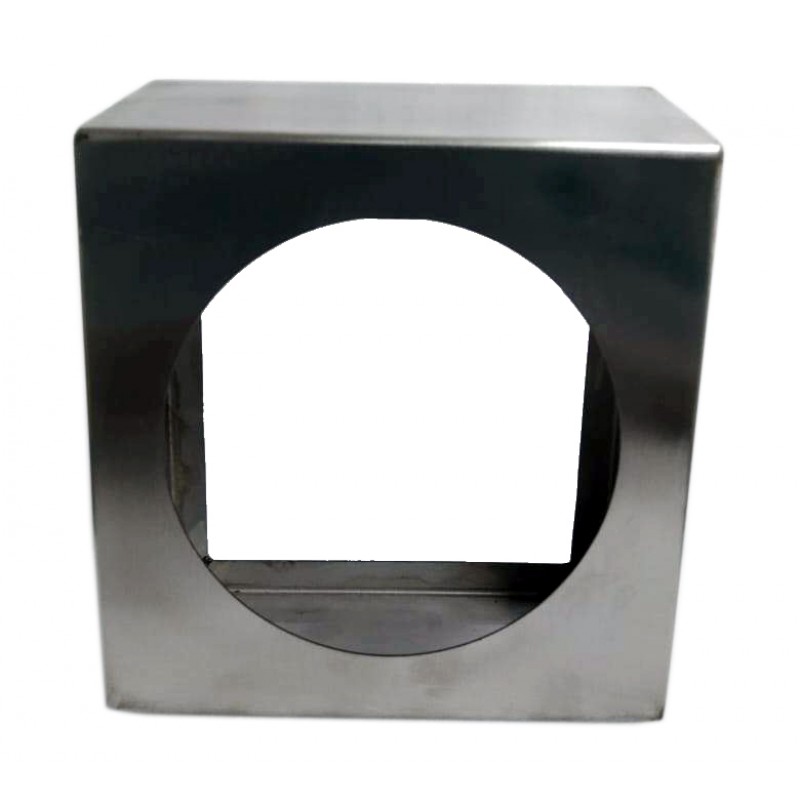
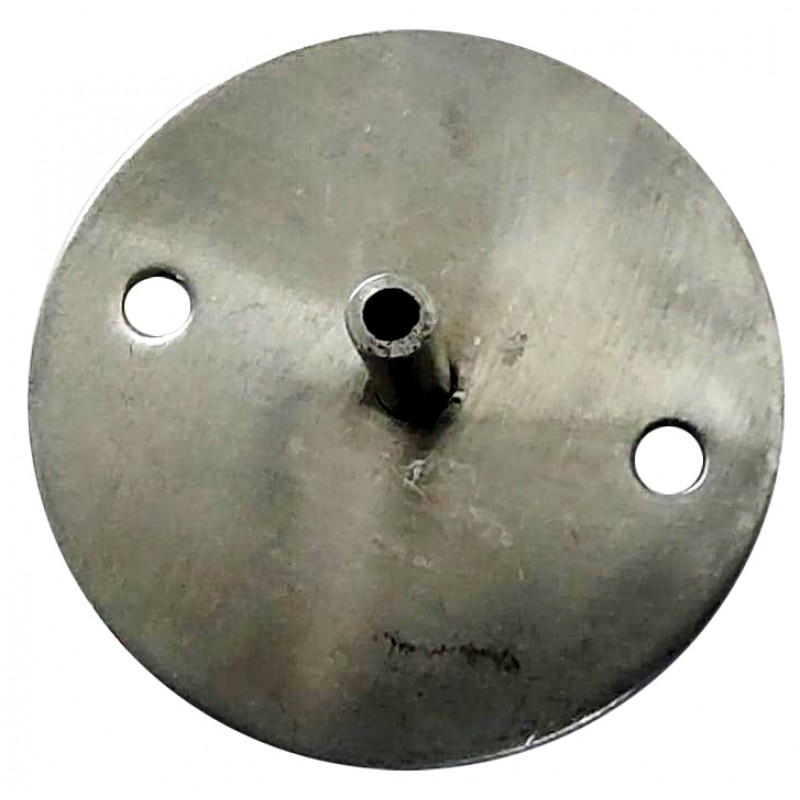
BD-type construction for panel mounting with bracket.
-
Aluminium case and cover.
-
Polycarbonate viewing window.
-
Aluminium pointer and dial.
-
White-coated dial with black graduations and characters.
-
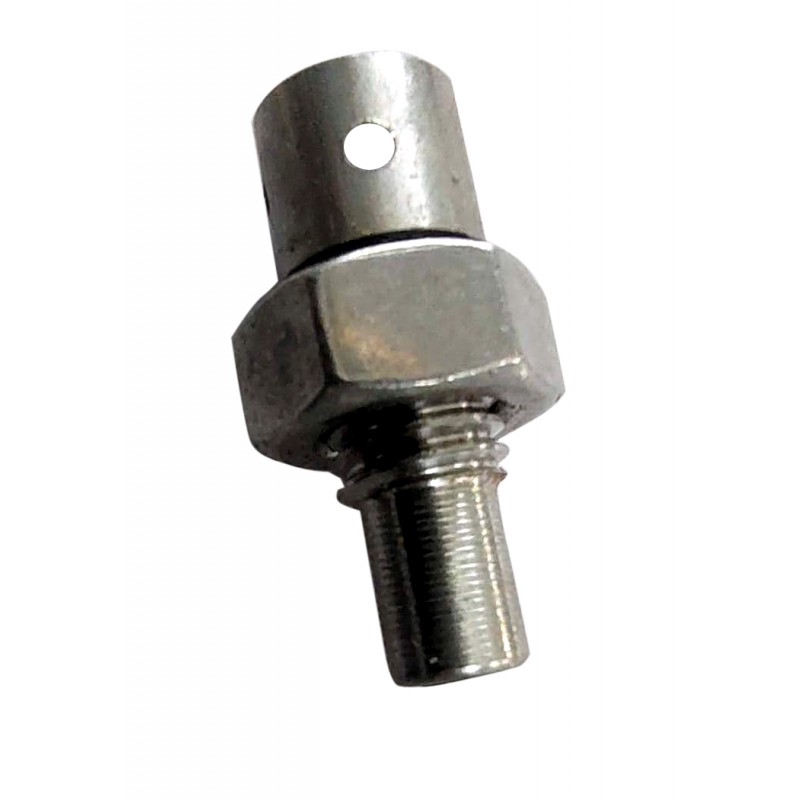
1/8-inch female pressure connections.
-
Silicon Rubber and NBR measuring element.
-
Ambient working temperature from -10°C to 60°C.
-
Base pressure of 0.1 MPa.
-
Available brand options include Sensocon, Dwyer and Galaxy.
Technical Specifications
| Specification | Details |
|---|---|
| Product | Differential Pressure Gauge |
| Part Number/Series | C2000 Series |
| Measurement | Difference between the H high-pressure port and L low-pressure port |
| Dial Diameter | 100 mm |
| Accuracy | ±2.0% of full scale |
| Scale Range | Zero-centred ranges from -0.25 to +0.25 kPa through -10 to +10 kPa; positive range from 0 to 50 kPa |
| Conversion Reference | 1 kPa = 101.9716 mmH?O |
| Static Working Pressure | 75% of full scale |
| Fluctuating Working Pressure | 60% of full scale |
| Ambient Working Temperature | -10°C to 60°C |
| Case and Cover | Aluminium |
| Connection | 1/8-inch female |
| Mounting Type | BD type, panel mount with bracket |
| Window | Polycarbonate |
| Pointer | Aluminium |
| Dial Material | Aluminium |
| Dial Finish | White coating |
| Dial Marking | Black graduations and characters |
| Element | Silicon Rubber, NBR |
| Base Pressure | 0.1 MPa |
| Available Brands | Sensocon, Dwyer, Galaxy |
Understanding the H and L Pressure Connections
Correct connection of the two pressure ports is essential for meaningful indication.
The H port is intended for the higher-pressure input, while the L port is intended for the lower-pressure input. The value shown on the dial represents the difference between these two pressure inputs.
Before installation, the engineer should confirm the expected pressure relationship between the selected tapping points. The pressure tubing must be routed so that the higher-pressure line reaches the H connection and the lower-pressure line reaches the L connection.
Reversing the connections may change the direction of pointer movement or produce a reading that does not represent the intended operating condition.
Both pressure lines should be checked for:
-
Secure connection
-
Leakage
-
Blockage
-
Mechanical damage
-
Sharp bends
-
Incorrect routing
The gauge should be installed using the specified panel-mount arrangement. The selected scale should provide adequate readability around the normal operating differential.
Installation and commissioning should be carried out by technically competent personnel in accordance with the plant’s approved safety and maintenance procedures.
Selecting the Appropriate Scale Range
Range selection has a direct effect on the readability and usefulness of the instrument.
A range that is excessively high compared with the normal operating differential may result in only a small pointer movement. This can make minor changes difficult to observe.
A scale that is too low may cause the expected reading to move outside the available range or expose the instrument to pressure conditions beyond its stated operating limit.
The C2000 Series includes zero-centred ranges beginning at -0.25 to +0.25 kPa and extending through -10 to +10 kPa. It is also available with a positive range of 0 to 50 kPa.
A zero-centred scale can be considered where the pressure difference may move in either direction around zero. A positive scale may be selected where one point is consistently expected to remain at a higher pressure than the other and the required indication remains within the selected positive range.
For correct selection, the buyer should provide:
-
Normal differential pressure
-
Minimum differential pressure
-
Maximum differential pressure
-
Whether the differential can reverse
-
Base or line pressure
-
Static or fluctuating pressure condition
-
Required engineering unit
-
Preferred scale range
This information enables the supplier to review the application against the stated range and working-pressure limits.
Product selection should not be based only on connection size or dial diameter.
Applications and Industries
The C2000 Series can be considered where local indication of pressure difference between two compatible pressure points is required.
Typical application areas may include:
-
Monitoring pressure differences across filters or filtration stages.
-
Observing pressure variation between the inlet and outlet of compatible low-pressure equipment.
-
Panel-mounted indication on air-handling, ventilation and utility systems.
-
Local differential pressure checks on OEM skids and industrial equipment.
-
Monitoring pressure drop in suitable ducts, lines or enclosed systems.
-
Maintenance inspection points where direct dial indication is preferred.
-
Industrial control panels requiring a 100 mm analogue display.
-
Testing arrangements where two pressure inputs must be compared.
-
Equipment panels requiring continuous local pressure-difference observation.
-
Process and utility systems where pressure drop is an operating or maintenance parameter.
Potential users may include:
-
HVAC contractors
-
Filtration equipment manufacturers
-
Clean-area system integrators
-
Utility equipment suppliers
-
Process skid manufacturers
-
Project engineering companies
-
Industrial OEMs
-
Plant maintenance departments
-
Factory engineering teams
-
Procurement companies
-
Industrial distributors
Actual suitability depends on the process medium, pressure range, temperature, pulsation, mounting position, element compatibility and site operating conditions.
Buyers should submit complete application details before placing an order.
Advantages and Buyer Benefits
Direct Local Indication
The gauge provides an immediate visual reading at the equipment or panel. Operators can inspect the differential value without depending on a separate display unit for basic local observation.
Two-Point Pressure Comparison
The H and L ports allow the instrument to compare two pressure locations directly. This supports applications where the pressure difference between two points is the operating parameter of interest.
Practical 100 mm Dial
The 100 mm diameter provides a clear dial area for viewing the graduations and pointer position. It is suitable for panel installations where readability and compact mounting are both important.
Multiple Scale Options
The available ranges cover low zero-centred differential values as well as a positive range up to 50 kPa. Buyers can select a scale closer to the actual operating requirement instead of using an unnecessarily broad general-purpose range.
Defined Accuracy
The specified accuracy of ±2.0% of full scale provides buyers with a clear performance reference when comparing the instrument against their application requirements.
Clearly Specified Construction
The product construction includes an aluminium case and cover, polycarbonate window, aluminium pointer and aluminium dial. The element materials are stated as Silicon Rubber and NBR, allowing the buyer to include material compatibility in the technical review.
Panel-Mount Arrangement
The BD-type bracket configuration supports integration into compatible equipment panels and instrument panels. This is useful for OEMs and system builders requiring a permanent local differential pressure display.
Clear Selection Parameters
Accuracy, working temperature, working-pressure limits, base pressure, connection size, mounting type and scale options are stated. These parameters enable engineering and procurement teams to evaluate the proposed product before purchase.
Suitable for OEM and Project Requirements
The panel-mount design allows the gauge to be incorporated into industrial equipment, filtration systems, air-handling panels, utility skids and other compatible assemblies where differential indication is required.
Important Selection and Installation Considerations
The instrument must be selected according to the actual operating conditions. Buyers and engineers should review the following points before confirming the order:
Pressure Range
The expected minimum, normal and maximum differential pressure must remain within the selected scale.
Static and Fluctuating Conditions
The stated working-pressure limits are different for static and fluctuating conditions. The pressure behaviour must therefore be identified during selection.
Base Pressure
The specified base pressure is 0.1 MPa. The actual system pressure must be reviewed against this value.
Process Medium
The process medium must be compatible with the stated Silicon Rubber and NBR element materials. Compatibility should be confirmed before use.
Ambient Temperature
The installation location must remain within the specified ambient temperature range of -10°C to 60°C.
Mounting Arrangement
The C2000 Series is a BD-type panel-mount model with bracket. The equipment panel and mounting arrangement should be prepared accordingly.
Pressure Connection
The instrument is supplied with 1/8-inch female connections. Suitable tubing, fittings and adapters should be selected by the installer.
Pressure Pulsation
Fluctuating pressure conditions must be evaluated against the specified limit of 60% of full scale.
Correct Port Identification
The higher-pressure line must be connected to H and the lower-pressure line to L.
Information Required for Quotation
To receive a technically relevant and commercially accurate quotation, buyers should share the following information:
-
Required differential pressure range in kPa or mmH?O
-
Positive or zero-centred scale requirement
-
Normal operating differential
-
Maximum expected differential
-
Static or fluctuating pressure condition
-
Base or line pressure
-
Process medium
-
Ambient operating temperature
-
Required quantity
-
Panel-mounting details
-
Preferred brand, where applicable
-
Delivery location
-
Export destination, where applicable
Providing this information reduces the possibility of selecting an unsuitable scale, connection or construction.
Where the process condition is uncertain, the technical requirement should be reviewed before the instrument is ordered.
Why Choose CPI Technology Private Limited?
CPI Technology Private Limited serves industrial customers from Ahmedabad, Gujarat, India, as a process instrument manufacturer, supplier and exporter.
We work with plant engineers, procurement departments, original equipment manufacturers, contractors, consultants, system integrators and industrial buyers that require application-focused instrumentation support.
Industrial Product Knowledge
Differential measurement requires more than choosing a dial size. Expected differential pressure, base pressure, pressure behaviour, ambient temperature, media compatibility and installation arrangement all influence product selection.
Our team reviews the available application information so that the quotation can be aligned with the stated requirement.
Manufacturer and Supplier in Ahmedabad
Our Ahmedabad location supports communication and supply requirements for customers in Gujarat and other industrial regions across India.
Buyers can submit their technical specifications, required quantity and delivery details for a structured commercial offer.
Export-Oriented Supply
As an exporter from India, CPI Technology Private Limited can address enquiries from overseas industrial buyers, engineering contractors, distributors and project companies.
Export quotations can be prepared according to the required quantity, destination and agreed commercial terms.
Structured Technical Documentation
We provide specifications in an organized format so that engineering and procurement teams can review the proposed series, range, accuracy, connection, mounting and construction before confirming an order.
Brand Options
The product may be offered under available brands including Sensocon, Dwyer and Galaxy, subject to the approved requirement and commercial availability.
Buyers should mention any mandatory brand preference in their enquiry.
Support for Project and Bulk Requirements
Customers requiring multiple instruments may submit their instrument list, bill of quantities, data sheet or project specification. Each item can then be reviewed according to its intended application.
Request a Quotation
For pricing and availability of the C2000 Series Differential Pressure Gauge, send us the required scale range, quantity, process medium, base pressure, expected operating differential, ambient temperature, mounting requirement and delivery location.
CPI Technology Private Limited will review the submitted information and provide a suitable technical and commercial response.
For projects involving multiple process instruments, buyers may submit an instrument list, data sheet, bill of quantities or complete project specification.
Frequently Asked Questions
1. What does a differential pressure gauge measure?
It measures the pressure difference between two separate pressure points. In the C2000 Series, the higher-pressure input is connected to the H port and the lower-pressure input is connected to the L port.
2. What is the dial size of the C2000 Series?
The C2000 Series has a 100 mm diameter dial for local visual indication.
3. What accuracy is offered?
The specified accuracy is ±2.0% of full scale.
4. Which scale ranges are available?
Available scale options include zero-centred ranges from -0.25 to +0.25 kPa through -10 to +10 kPa, along with a positive range from 0 to 50 kPa.
5. Is the instrument suitable for panel mounting?
Yes. It is a BD-type model designed for panel mounting with a bracket.
6. What are the connection and operating-temperature specifications?
The gauge has 1/8-inch female connections. Its specified ambient working temperature range is -10°C to 60°C.
7. How do I select the correct Differential Pressure Gauge?
Provide the normal and maximum differential pressure, required scale direction, base pressure, static or fluctuating pressure condition, process medium, ambient temperature and mounting requirement. The selected range and operating conditions must remain within the declared specifications.